Road Trip Ready: 10 Essential Tips for Preparing Your Used Car for South Africa's Long Drives in 2026
South Africa is made for road trips. From the dramatic passes of the Western Cape to the wide-open Karoo, the Garden Route's coastal curves to the Drakensberg's switchbacks — there is no better way to experience this country than from behind the wheel. But before you load up the cooler box and hit the N2, your used car needs to be properly prepared. A breakdown on the R61 between Mthatha and Port Elizabeth is nobody's idea of a holiday.
With 5,049 active used-car listings on dbauto.co.za right now — from budget hatchbacks under R100,000 to capable bakkies and SUVs — South Africans are investing in personal transport. Whether you bought your car recently or have been driving it for years, these 10 tips will get it road-trip ready before you leave the driveway.
1. Start With a Full Service (If You're Due)
Check your service book. If you're within 3,000 km of your next service interval — or it's been more than 12 months — book a service before your trip. A full service covers oil and filter changes, spark plugs, air filters, and a general inspection. Most independent workshops charge R1,500–R3,500 depending on the make and model. Far cheaper than a breakdown 600 km from home.
2. Check Your Tyres — All Five of Them
Your tyres are the only thing between your car and the road. Before any long drive, check tread depth (use a R2 coin — if you can see the full "2", replace them), tyre pressure (check the sticker inside your driver's door), and inspect the spare. A flat spare is useless. Also look for sidewall bulges or cuts — these mean immediate replacement.
3. Test Your Battery
South Africa's heat is brutal on car batteries. A battery that starts fine on a cool Joburg morning may struggle after sitting in the Karoo sun. Most fitment centres test batteries for free. If yours is more than three years old and showing weakness, replace it before you go. Expect to pay R900–R2,500 depending on the vehicle.
4. Check All Fluid Levels
This takes five minutes and can save your engine. Before departure, check engine oil, coolant (when cold), brake fluid, power steering fluid, and windscreen washer fluid. Low coolant is a fast track to overheating on mountain passes. Dark or low brake fluid should be inspected by a mechanic before you leave.
5. Inspect Your Brakes
Mountain passes like Huguenot Tunnel, Tradouw Pass, and Sani Pass demand reliable brakes. If you hear squealing, grinding, or feel vibration when braking, have your pads and discs checked. Brake pad replacement typically costs R800–R2,000 per axle at an independent workshop. This is a safety non-negotiable.
6. Check All Lights and Wipers
Walk around your car and check every light: headlights, brake lights, indicators, reverse lights, and hazards. Replace any blown bulbs — it's a quick, cheap fix. Also check your wiper blades. South Africa's summer thunderstorms can reduce visibility to near zero in seconds. A quality set of wiper blades costs R150–R400.
7. Pack a Proper Emergency Kit
South African law requires a warning triangle, but a proper kit goes further. Pack: a reflective vest, jump-start cables or a portable jump starter, a tow rope, a basic toolkit, a torch, a first aid kit, a small fire extinguisher, bottled water, and duct tape. The last item is a South African road-trip essential — trust us.
8. Plan Your Fuel Stops
South Africa has very long stretches between fuel stations, particularly through the Northern Cape and Eastern Cape. Map your route and identify fuel stops before you leave. Don't let your tank drop below a quarter — in remote areas, that buffer could be the difference between making it to the next town and being stranded on the side of the road.
9. Download Offline Maps
Cell signal is unreliable in many parts of South Africa — the Karoo, Limpopo, and parts of KwaZulu-Natal can be dead zones. Download your route on Google Maps or Maps.me for offline use before you leave. Also save the AA South Africa roadside assistance number (0861 000 234), your insurer's emergency line, and the nearest hospital along your route.
10. Check Your Car's Documents
Before any long drive, confirm you have a valid licence disc, your driver's licence, insurance documents with your policy number and emergency contact, and — if your car is older — a roadworthy certificate. An expired licence disc can result in a fine and unnecessary delays at roadblocks.
Know Your Car's Limits
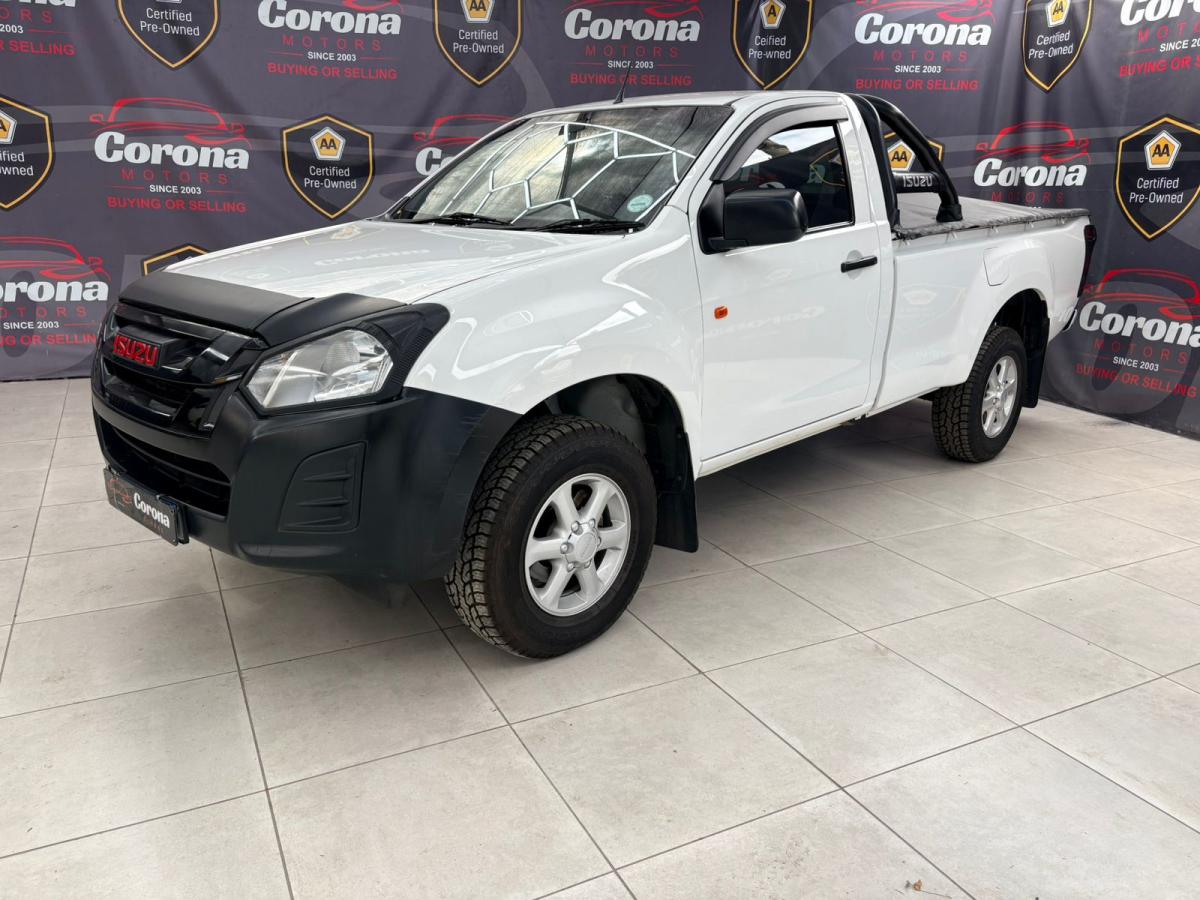
Not every used car is built for every road. A low-slung sedan may struggle on gravel roads leading to game lodges or mountain retreats. South Africa's used car market has excellent options for mixed-terrain driving — Toyota's 1,142 listings on dbauto.co.za include capable Fortuners and Hiluxes, while Ford's 316 listings include the legendary Ranger. If you're planning regular adventure trips, it may be worth upgrading to a more capable vehicle.
Ready to Hit the Road?
A well-prepared car makes for a stress-free road trip. Work through this checklist before you leave, and you'll spend your holiday enjoying the scenery rather than waiting for a tow truck. South Africa's roads are spectacular — make sure your car is ready to handle them.
Looking for a more capable used car for your next adventure? Browse 5,049 active listings across all makes, models, and price brackets at dbauto.co.za — South Africa's smart used-car marketplace.