How to Finance a Used Car in South Africa: A Practical Guide for 2026 Buyers
With over 5,111 used vehicles currently listed on dbAuto, South African buyers have never had more choice. But finding the right car is only half the battle — securing the right finance deal can save you tens of thousands of rands over the life of your loan. Whether you're a first-time buyer or upgrading your current ride, this guide walks you through everything you need to know about financing a used car in South Africa in 2026.
Understanding How Used Car Finance Works in South Africa
Most South Africans finance their vehicles through a bank or a vehicle finance company. The most common product is a hire purchase (HP) agreement, where the bank buys the car on your behalf and you repay the loan — plus interest — in monthly instalments over a fixed term, typically 12 to 72 months.
At the end of the term, ownership transfers to you. During the loan period, the bank holds the title deed, which means you cannot sell the car without settling the outstanding balance first.
Another option is a balloon payment (also called a residual value) arrangement. Here, a portion of the vehicle's value — often 20–30% — is deferred to the end of the term. This lowers your monthly instalment but means you'll owe a lump sum at the end. It suits buyers who plan to trade in or upgrade before the balloon falls due, but can be a trap if you're not prepared.
What Interest Rate Should You Expect?
South Africa's prime lending rate directly influences vehicle finance rates. In 2026, most banks offer used car finance at prime plus 1% to prime plus 3%, depending on your credit profile, the age of the vehicle, and the loan term. Buyers with excellent credit scores can sometimes negotiate rates at or even below prime.
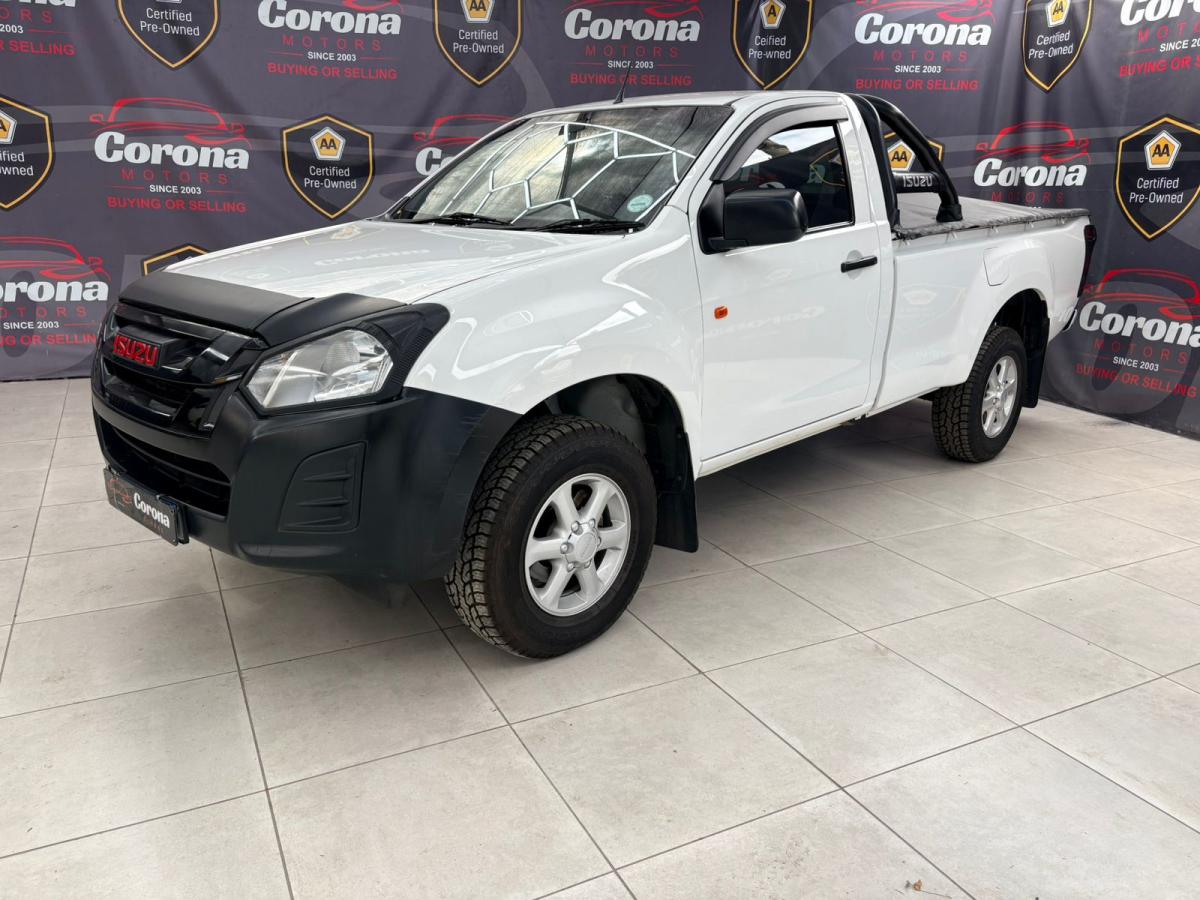
Here's a practical example: a Toyota Hilux listed at around R430,000 (the average for the 85 Ranger/Hilux-class bakkies on dbAuto right now) financed over 60 months at prime + 2% would cost roughly R9,200–R9,800 per month with no deposit. Add a 10% deposit and that drops to around R8,300–R8,800 — a meaningful saving over five years.
The Importance of Your Credit Score
Before you walk into a dealership or apply online, check your credit score. South Africa's major credit bureaus — TransUnion, Experian, and Compuscan — all offer free annual credit reports. A score above 650 is generally considered good; above 750 opens the door to the best rates.
If your score is lower than you'd like, consider:
- Paying down existing debt before applying
- Ensuring all accounts are up to date
- Avoiding multiple credit applications in a short period (each hard inquiry can dent your score)
- Saving a larger deposit to reduce the bank's risk
Deposit: How Much Should You Put Down?
While many lenders advertise zero deposit deals, putting down at least 10–20% of the purchase price is strongly advisable. A deposit reduces your loan amount, lowers your monthly instalment, and — crucially — reduces the risk of being "upside down" on your loan (owing more than the car is worth).
On dbAuto's current inventory, the sweet spot for family sedans and hatchbacks sits in the R200,000–R300,000 bracket, where 690 vehicles are listed. A 15% deposit on a R250,000 car is R37,500 — a realistic savings target that dramatically improves your finance terms.
Comparing Finance Offers: Don't Just Look at the Monthly Instalment
Dealers and banks will often lead with the monthly instalment figure. But the instalment alone doesn't tell the whole story. Always ask for — and compare — the following:
- Total cost of credit: The full amount you'll repay over the loan term, including all interest and fees.
- Initiation fee: A once-off fee charged by the bank to set up the loan (typically R1,207.50 including VAT, the NCA maximum).
- Monthly service fee: Usually R69 per month, but confirm with your lender.
- Interest rate (APR): The annual percentage rate, which includes all fees and gives you a true cost comparison.
- Balloon payment amount: If applicable, know exactly what you'll owe at the end.
Getting pre-approved by your own bank before visiting a dealership gives you a benchmark. Dealers often have relationships with multiple lenders and can sometimes beat your bank's rate — but only if you know what you're comparing against.
New vs Used: Why Finance Terms Differ
Banks typically view used vehicles as higher-risk assets than new ones, because a used car depreciates faster in the early years and may have hidden mechanical issues. As a result, you may find:
- Slightly higher interest rates on older vehicles
- Shorter maximum loan terms for cars older than 5–7 years
- Some lenders declining to finance vehicles over a certain age or mileage
This is why buying a certified pre-owned (CPO) vehicle from a reputable dealer — many of which are listed on dbAuto — can be advantageous. CPO vehicles often come with manufacturer-backed warranties and may qualify for better finance terms.
Insurance: A Non-Negotiable Requirement
If you finance a vehicle, your lender will require you to have comprehensive insurance for the duration of the loan. This protects their asset (and yours) against theft, accident, or write-off. Shop around — premiums vary significantly between insurers, and a clean driving record can earn you meaningful discounts.
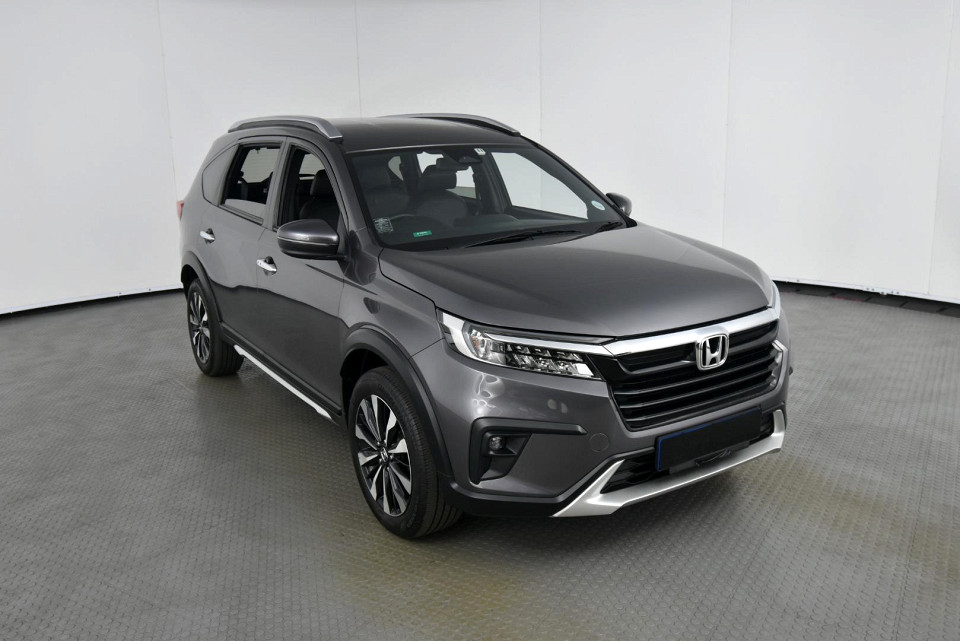
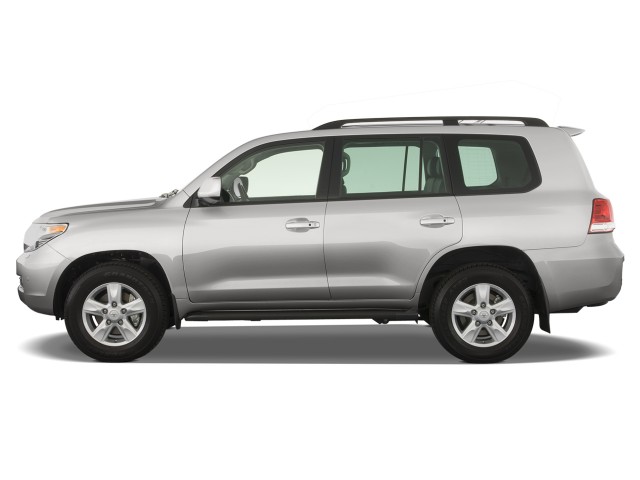
Don't forget to factor insurance into your monthly budget. On a mid-range SUV priced around R500,000 — Toyota leads dbAuto's inventory with 1,156 listings averaging R867,000, but there are plenty of quality SUVs in the R400,000–R600,000 range — comprehensive insurance can run R1,500–R2,500 per month depending on your profile and location.
Tips to Get the Best Finance Deal in 2026
- Get pre-approved before you shop. Knowing your budget prevents you from falling in love with a car you can't afford.
- Negotiate the purchase price first, finance second. Don't let the dealer bundle the two — a lower purchase price saves you more than a slightly better rate.
- Avoid unnecessary add-ons. Extended warranties, paint protection, and credit life insurance are often overpriced when bundled into the finance deal. Price them separately.
- Choose the shortest term you can afford. A 48-month loan costs significantly less in total interest than a 72-month loan, even if the monthly difference seems small.
- Make extra payments when you can. Most South African vehicle finance agreements allow early settlement without penalty. Even one extra payment per year can shave months off your loan.
- Use online calculators. Most major banks offer vehicle finance calculators on their websites. Run the numbers before you commit.
Where to Find Your Next Used Car
With 5,111 active listings across South Africa — from Gauteng's 1,332 vehicles to the Western Cape's 539 — dbAuto gives you a transparent, up-to-date view of the used car market. Whether you're after a budget-friendly hatchback under R100,000, a family SUV in the R300,000–R500,000 bracket, or a premium vehicle over R1 million, the inventory is there.
Top makes currently in stock include Toyota (1,156 listings), Suzuki (446), Volkswagen (380), Ford (322), and Audi (250) — giving you real choice across every segment and budget.
Ready to Find Your Next Car?
Armed with the right finance knowledge, you're in a far stronger position to negotiate, compare, and commit with confidence. Browse all 5,111 used vehicles currently listed on dbAuto.co.za and use our search filters to find the make, model, price, and province that suits you best. Your next car — and a great deal — is waiting.