How to Choose the Right Used Car for South Africa's Roads: 8 Practical Tips for 2026
South Africa's Roads Are Unique — Your Car Choice Should Be Too
With over 4,700 used vehicles currently listed on dbauto.co.za, South African buyers have never had more choice. But more choice also means more decisions — and making the wrong one can cost you dearly. Whether you're navigating Johannesburg's potholed inner-city streets, tackling the N2 between Cape Town and George, or heading off-road to a farm in Limpopo, the right used car for your life in South Africa is very specific to your situation.
Here are eight practical tips to help you choose wisely.
1. Match the Car to Your Actual Roads — Not Your Dream Roads
It's tempting to buy a lifted 4x4 because you might go off-road one day. But if 95% of your driving is urban commuting, you'll pay more in fuel, tyres, and servicing for capability you rarely use. Be honest about your daily routes. If you're mostly on tar, a well-maintained hatchback or sedan — like a Volkswagen Polo (342 currently listed, average R490,843) or a Suzuki Swift — will serve you far better and cost far less to run.
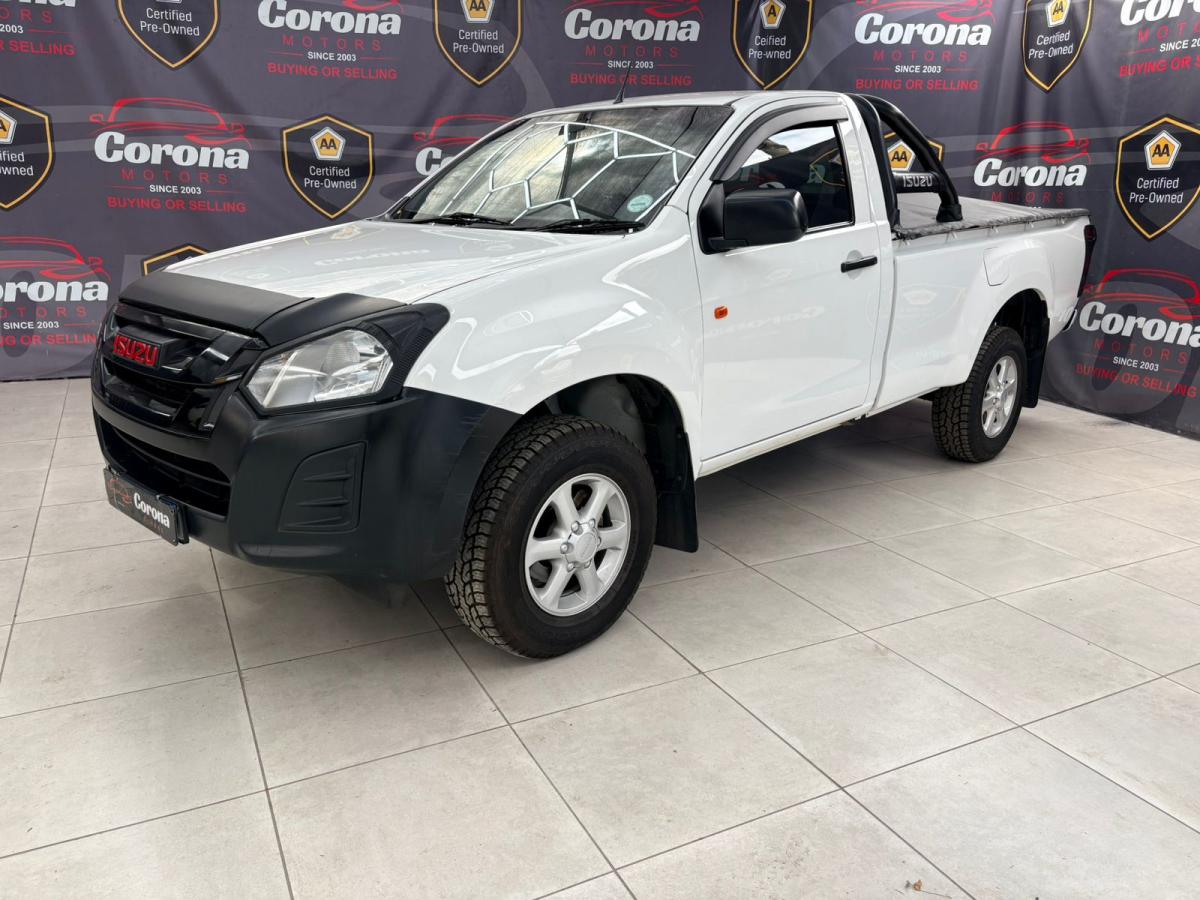
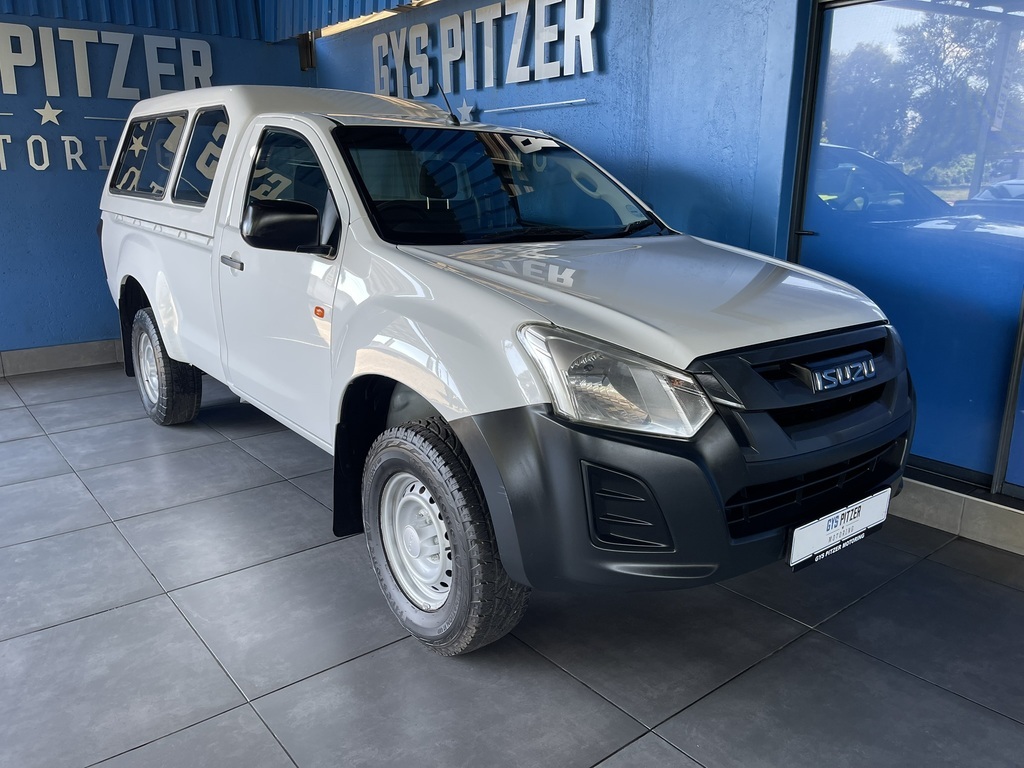
On the other hand, if you regularly travel gravel roads, live on a plot, or tow a trailer, ground clearance and torque matter enormously. In that case, a Toyota Hilux (South Africa's most-listed used vehicle with 1,084 units on dbauto.co.za, averaging R672,363) or an Isuzu D-Max (111 listings, average R386,329) makes practical sense.
2. Understand the True Cost of Fuel Type
Petrol vs diesel is one of the most debated topics among South African car buyers — and for good reason. Diesel engines are generally more fuel-efficient on long highway runs and tend to produce more torque at lower revs, making them ideal for towing and off-road use. However, diesel vehicles typically cost more to buy and service, and diesel fuel prices fluctuate significantly.
Petrol engines are usually cheaper to maintain, easier to find parts for, and better suited to short urban trips where a diesel engine never fully warms up (which can cause long-term damage). If you drive fewer than 15,000 km per year mostly in the city, petrol is almost always the smarter financial choice.
3. Set a Realistic Total Budget — Not Just a Purchase Price
South Africa's used car market spans an enormous price range. On dbauto.co.za right now, you'll find vehicles from under R100,000 all the way past R1 million. But the sticker price is only part of the story. Before you commit, calculate:
- Insurance: A BMW (249 listings, average R562,980) or Audi (245 listings, average R592,920) will cost significantly more to insure than a Hyundai (86 listings, average R310,963) or Renault (74 listings, average R212,508).
- Service costs: German luxury brands often require specialist parts that can be two to three times more expensive than Japanese or Korean equivalents.
- Tyres: Larger wheels look great but cost more to replace. A 17-inch tyre can cost double what a 15-inch costs.
- Finance interest: On a R400,000 vehicle financed over 72 months at 12%, you'll pay roughly R180,000 in interest alone.
A good rule of thumb: your total monthly motoring costs (finance, insurance, fuel, maintenance) should not exceed 20% of your take-home pay.
4. Prioritise Reliability Over Brand Prestige
In South Africa, parts availability and workshop expertise matter enormously. Toyota's dominance in the local market — 1,084 used Toyotas currently listed on dbauto.co.za — is no accident. The brand's reputation for reliability, combined with an extensive dealer and parts network across the country, makes ownership far less stressful. Mitsubishi (128 listings, average R400,870) and Isuzu also enjoy strong reputations for durability in tough conditions.
If you're buying a less common brand, research whether there are qualified mechanics in your area and whether parts are readily available locally. A great deal on a rare import can quickly become a nightmare if you're waiting six weeks for a part to arrive from overseas.
5. Check the Vehicle's History — Every Time
Never skip a vehicle history check. In South Africa, you can run a check through services like TransUnion Auto or Lightstone to verify:
- Whether the vehicle has been in a reported accident
- Whether it's been flagged as stolen
- Whether there's outstanding finance on it (buying a car with a lien means the bank can repossess it even after you've paid)
- Whether the odometer reading is consistent with its service history
A clean history report costs a few hundred rand and can save you hundreds of thousands. It's non-negotiable.
6. Get an Independent Pre-Purchase Inspection
Even if a car looks immaculate, always have it inspected by an independent mechanic before you sign anything. A qualified technician can spot issues that aren't visible to the untrained eye — worn brake pads, oil leaks, suspension wear, rust under the body panels, or signs of a poorly repaired accident.
Budget R500–R1,500 for a pre-purchase inspection. If the seller refuses to allow one, walk away. That refusal tells you everything you need to know.
7. Consider the Resale Value Before You Buy
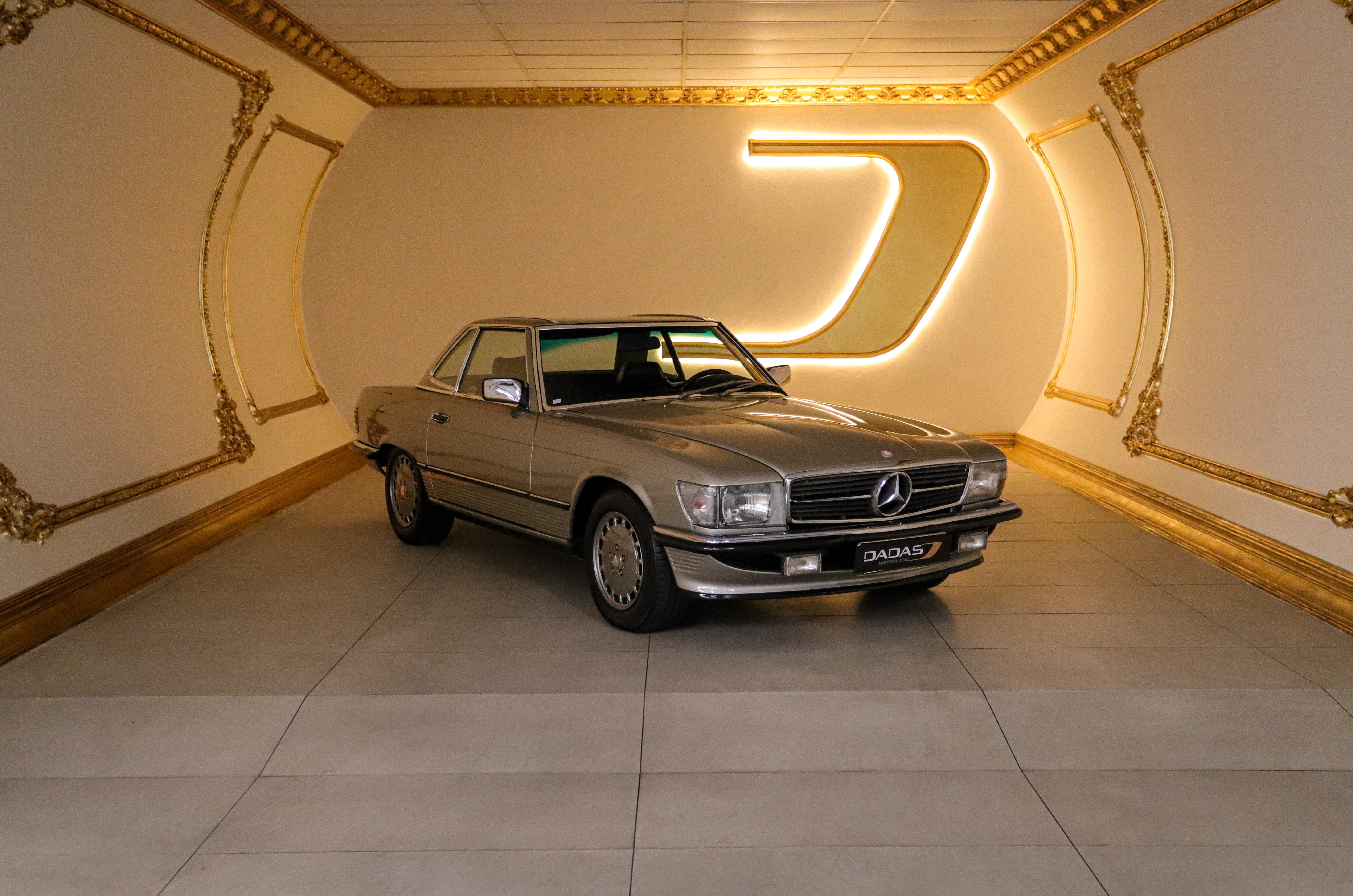
South Africa's used car market is highly liquid for popular models and very slow for niche ones. When you eventually sell, you want a vehicle that buyers are actively searching for. Toyota, Volkswagen, Ford, and Suzuki consistently hold their value well in the local market. Niche imports, unusual colours, and heavily modified vehicles are much harder to sell and typically fetch lower prices.
If you're financing the vehicle, resale value also affects your equity position. A car that depreciates quickly can leave you "underwater" — owing more than the car is worth — which creates serious problems if you need to sell or upgrade before the finance term ends.
8. Use a Trusted Platform to Browse and Compare
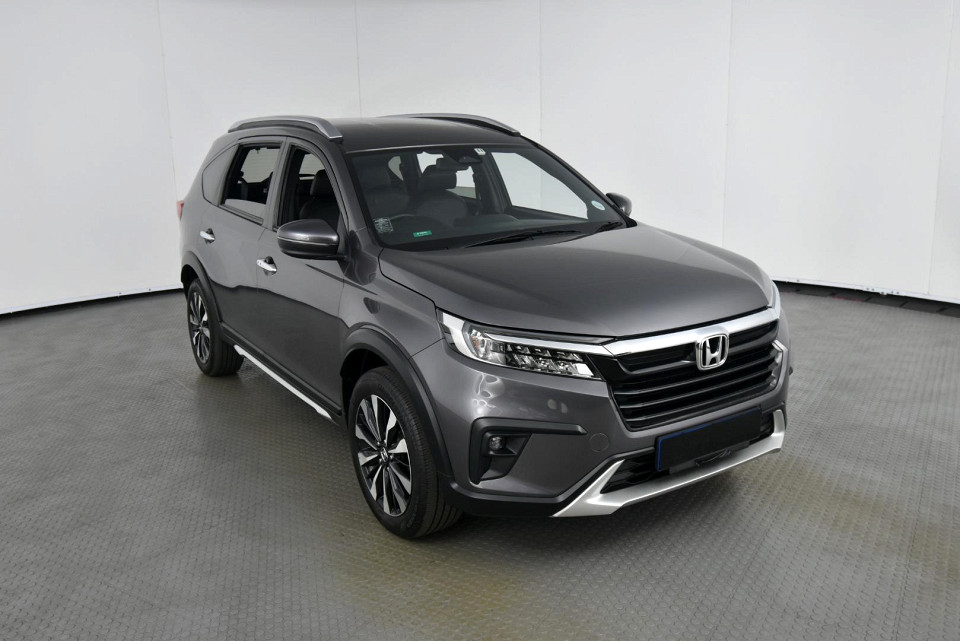
With 4,701 active listings across all price brackets and body types, dbauto.co.za makes it easy to compare real vehicles side by side — with actual photos, mileage, pricing, and dealer contact details. Whether you're looking for a budget hatchback under R100,000, a family SUV in the R300,000–R500,000 range, or a premium bakkie above R600,000, the inventory is updated daily so you're always seeing live market prices.
Use the filters to narrow by make, body type, province, and price bracket. Save your favourites, compare specs, and reach out directly to verified dealers — all in one place.
The Bottom Line
Buying a used car in South Africa is one of the biggest financial decisions most people make. The good news is that with 4,701 vehicles currently available across every budget and lifestyle, there's a right car for everyone — you just need to approach the search with clear eyes and a practical checklist.
Match the car to your real roads, understand the full cost of ownership, prioritise reliability, and always verify the vehicle's history and condition before you commit. Do those things, and you'll drive away with a vehicle that serves you well for years to come.
Ready to find your next car? Browse all 4,701 active listings at dbauto.co.za — South Africa's smart used car marketplace.