First-Time Used Car Buyer in South Africa? Here's Exactly What to Do in September 2026
So You're Ready to Buy Your First Used Car in South Africa
Congratulations — you've made the decision. Whether you're upgrading from public transport, finally getting your own wheels after years of lift clubs, or simply tired of renting, buying a used car in South Africa is one of the most significant financial decisions you'll make. And right now, in September 2026, the market is as active as it's ever been, with over 5,016 used vehicles listed across the country.
But here's the thing: a busy market is both an opportunity and a minefield. More choice means more chances to find a great deal — but also more chances to make a costly mistake. This guide is written specifically for first-time buyers who want to do it right the first time.
Step 1: Set a Realistic Budget Before You Browse
The single biggest mistake first-time buyers make is falling in love with a car before they've worked out what they can actually afford. Before you open a single listing, sit down and do the numbers.
Here's what the current South African used car market looks like by price bracket:
- Under R100,000: 54 listings — limited options, mostly older or high-mileage vehicles
- R100,000 – R200,000: 389 listings — entry-level hatchbacks and older sedans
- R200,000 – R300,000: 666 listings — solid value territory for reliable daily drivers
- R300,000 – R500,000: 2,221 listings — the sweet spot for most buyers, with the widest selection
- R500,000 – R1,000,000: 1,117 listings — newer models, lower mileage, more features
- Over R1,000,000: 398 listings — premium and luxury vehicles
The R300,000–R500,000 bracket is where most of the action is, with nearly half of all listings falling in this range. If you're financing, a R350,000 vehicle at current interest rates (roughly 11–12%) over 60 months will cost you approximately R7,500–R8,000 per month before insurance and running costs. Make sure your monthly take-home can comfortably absorb that.
Step 2: Choose the Right Make for Your Needs
South Africa's used car market is dominated by a handful of reliable brands. Here's a snapshot of what's available right now:
- Toyota: 1,137 listings, average price R690,014 — the undisputed king of reliability and resale value
- Suzuki: 443 listings, average price R517,442 — excellent fuel economy and low running costs
- Volkswagen: 374 listings, average price R474,743 — premium feel with strong parts availability
- Ford: 316 listings, average price R482,210 — popular for bakkies and family SUVs
- Audi: 249 listings, average price R594,358 — luxury at a used-car price, but higher maintenance costs
For a first-time buyer, Toyota and Suzuki are almost always the safest choices. Toyota's reputation for longevity is well-earned — a well-maintained Corolla or Hilux can easily clock 300,000+ km without major issues. Suzuki's Swift and Baleno are among the most affordable to run in South Africa, with excellent fuel efficiency and low service costs.
If you're tempted by a premium brand like Audi or BMW, go in with your eyes open: parts are more expensive, service intervals cost more, and specialist mechanics charge a premium. These are great cars, but they're not ideal for a first-time buyer on a tight budget.
Step 3: Understand the Body Type That Suits Your Life
South Africa's roads and lifestyle demands vary enormously. Here's what the current inventory tells us about what's available:
- Sedans: 2,995 listings — the most common body type, great for city driving and highway commutes
- SUVs: 592 listings — ideal for families and those who need ground clearance for rougher roads
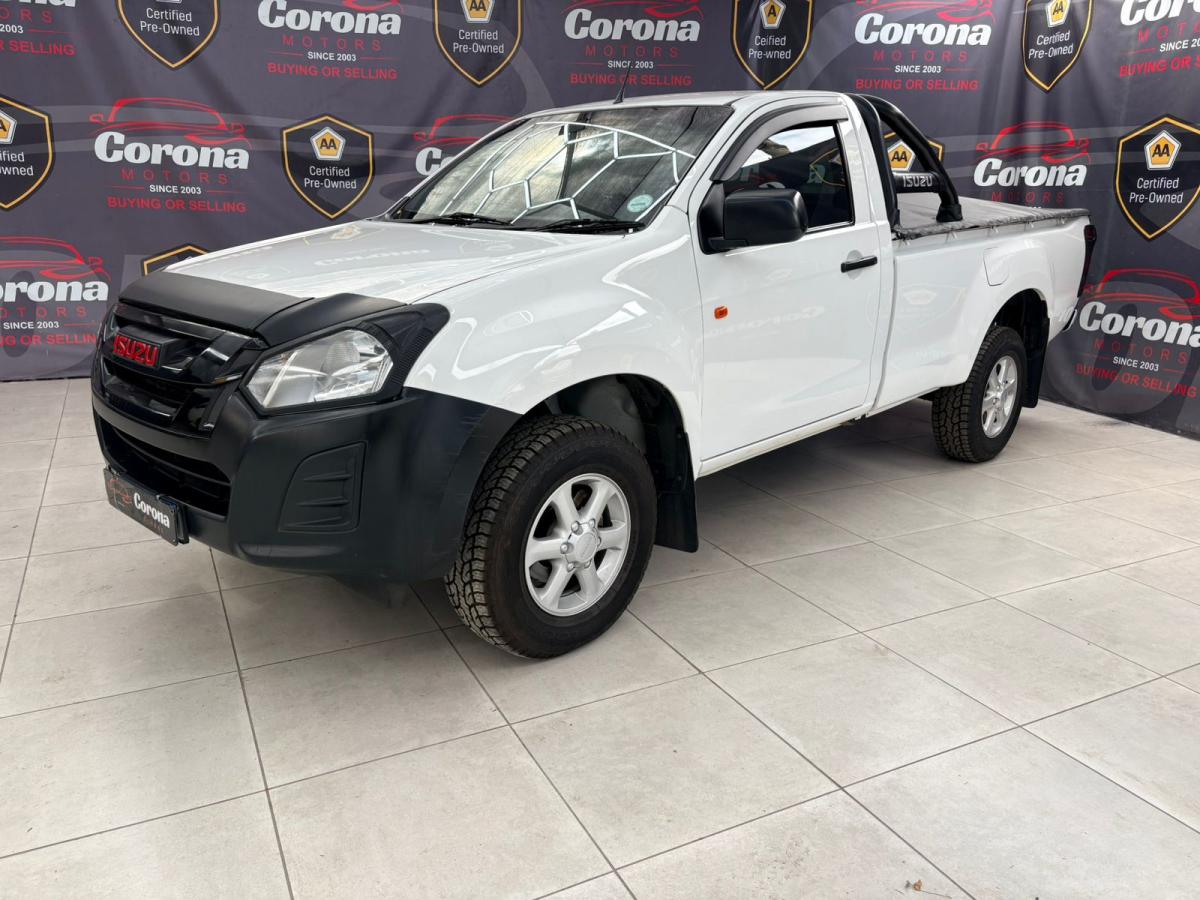
- Bakkies: 519 listings — essential for business use, farming, or if you regularly tow or carry loads
- Hatchbacks: 329 listings — compact, easy to park, and typically more fuel-efficient
If you're a city commuter in Johannesburg or Cape Town, a hatchback or compact sedan will serve you well and cost less to run. If you're in a rural area or need to navigate unpaved roads regularly, an SUV or bakkie makes more practical sense — even if the purchase price is higher.
Step 4: Always Get a Pre-Purchase Inspection
This is non-negotiable. No matter how good a car looks in photos, no matter how trustworthy the seller seems, always have an independent mechanic inspect the vehicle before you hand over any money.
A pre-purchase inspection typically costs between R500 and R1,500 at a reputable workshop, and it can save you tens of thousands of rands. Ask the mechanic to check:
- Engine compression and oil condition
- Transmission smoothness (both automatic and manual)
- Brake pad and disc thickness
- Tyre tread depth and condition
- Suspension and steering components
- Electrical systems (lights, aircon, windows)
- Signs of accident damage or panel repairs
- Rust, especially under the vehicle and in the wheel arches
If a seller refuses to allow an independent inspection, walk away. That refusal tells you everything you need to know.
Step 5: Run a Vehicle History Check
Before signing anything, run the vehicle's VIN (Vehicle Identification Number) through a service like TransUnion VehicleCheck or Lightstone Auto. These checks reveal:
- Whether the car has been in a reported accident
- Whether it's been reported stolen
- Outstanding finance (if the previous owner still owes money, the bank can repossess the car even after you've bought it)
- The vehicle's service history and odometer readings
A clean history report gives you peace of mind. An alarming one saves you from a nightmare. Either way, it's worth the R150–R300 it costs.
Step 6: Negotiate Confidently
Listed prices are rarely final prices. In the current market, with over 5,000 vehicles competing for buyers' attention, sellers are often willing to negotiate — especially if a car has been listed for more than 30 days.
A few negotiation tips that work in South Africa:
- Research the market value using platforms like dbauto.co.za before you make an offer
- Point out any issues found during the inspection as leverage
- Ask for extras to be included: a full service, new tyres, or a roadworthy certificate
- Be willing to walk away — it's the most powerful negotiating tool you have
Step 7: Sort Out Insurance Before You Drive Away
This is the step most first-time buyers forget until it's too late. You need comprehensive car insurance in place before you take ownership of the vehicle. South Africa's roads are among the most dangerous in the world, and driving an uninsured vehicle — even for a single day — is a risk you simply cannot afford to take.
Get quotes from at least three insurers before you buy. Premiums vary significantly based on your age, location, driving history, and the vehicle itself. Budget for insurance as part of your total monthly cost of ownership, not as an afterthought.
Ready to Start Your Search?
With 5,016 used vehicles listed across South Africa right now, there's never been a better time to find your perfect first car. Whether you're looking for a reliable Toyota Corolla for city commuting, a fuel-sipping Suzuki Swift for budget-conscious driving, or a capable Ford Ranger for weekend adventures, the inventory is deep and the deals are real.
Browse the full selection at dbauto.co.za — South Africa's growing used car marketplace, where verified listings from trusted dealers make finding your first car simpler, safer, and smarter.